
Dental implants are considered one of the most advanced solutions for replacing missing teeth. Designed to look, feel, and function like natural teeth, implants can help patients regain confidence in their smiles while improving chewing ability and overall oral function.
But because dental implants look and feel so similar to natural teeth, many patients wonder: can dental implants get cavities?
The short answer is no. Dental implants cannot develop cavities because they are made from durable materials like titanium and porcelain, which are not affected by tooth decay. However, that does not mean implant patients can skip their oral hygiene routine. Dental implants still require proper care to stay healthy and function successfully for many years.
Why Dental Implants Cannot Get Cavities
Natural teeth are made up of layers, including enamel and dentin, that can become damaged by bacteria and acids in the mouth. When plaque builds up on natural teeth, it can lead to cavities that require treatment.
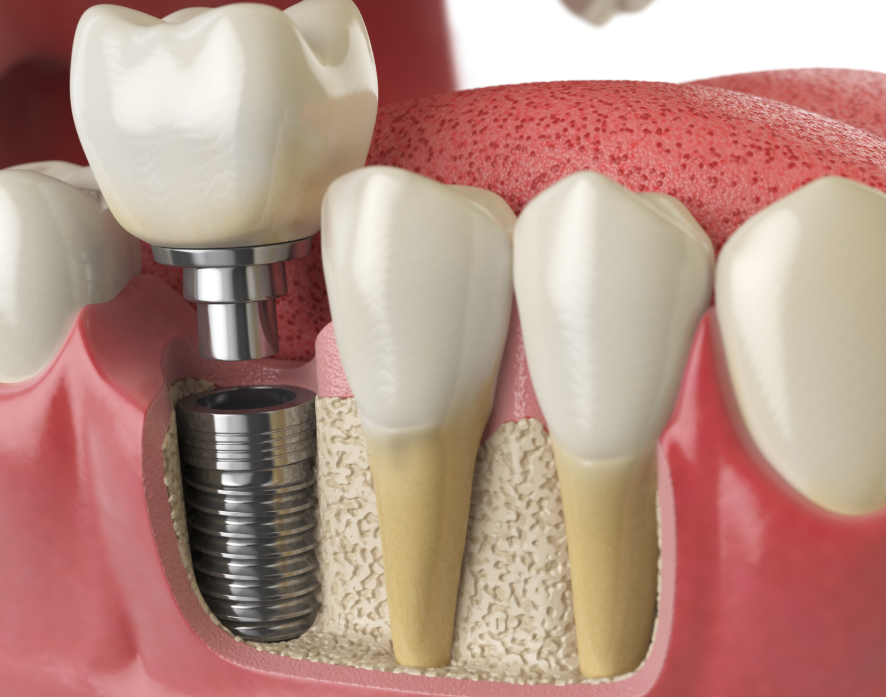
Dental implants are different. The implant post that replaces the tooth root is typically made from titanium, while the visible crown is usually made from strong, tooth-colored materials like porcelain or ceramic. Since these materials do not decay like natural tooth structure, cavities cannot form on an implant crown.
However, the tissues surrounding the implant can still be affected by bacteria, making daily care an essential part of protecting your investment.
Can Dental Implants Still Have Problems?
Although implants cannot get cavities, they can still experience other complications if they are not properly maintained.
One concern is a condition called peri-implantitis, which is an infection and inflammation of the gum tissue surrounding a dental implant. Similar to gum disease around natural teeth, peri-implantitis can damage the supporting bone and tissues that keep the implant stable.
Warning signs of potential implant problems may include:
- Red, swollen, or tender gums around the implant
- Bleeding when brushing or flossing
- Discomfort when chewing
- Gum recession near the implant
- A loose-feeling restoration
If you notice any changes around your dental implant, contacting your dentist early can help prevent more serious complications.
How to Care for Your Dental Implants
Even though your implant cannot get cavities, maintaining excellent oral hygiene is still important. Plaque and bacteria can collect around the implant, affecting your gums and overall oral health.
A good implant care routine includes:
- Brushing your teeth at least twice a day
- Cleaning between teeth with floss or another recommended tool
- Keeping up with regular dental cleanings and exams
- Avoiding habits that can damage your restoration, such as chewing ice or using your teeth as tools
Your dentist can also recommend specific cleaning techniques or products based on your individual needs.
Protecting Your Long-Term Investment
Dental implants are designed to be a long-lasting tooth replacement option, and many patients enjoy their restored smiles for decades with proper care. While implants cannot develop cavities, they still need attention and maintenance to stay healthy.
Regular dental visits allow your dentist to monitor your implant, check the surrounding gums and bone, and address any concerns before they become larger issues.
With consistent care and professional support, your dental implant can continue helping you smile, eat, and speak comfortably for years to come.
About the Practice
The team at Valer Dental provides comprehensive dental care with a focus on modern, personalized solutions for patients looking to restore their smiles. With locations in Coors and Eubank, we offer dental implant treatment designed to replace missing teeth with natural-looking, functional results. Through advanced techniques and patient-centered care, the team helps individuals achieve improved oral health and renewed confidence in their smiles.
Call us at (505) 257-2000 or schedule your appointment online.